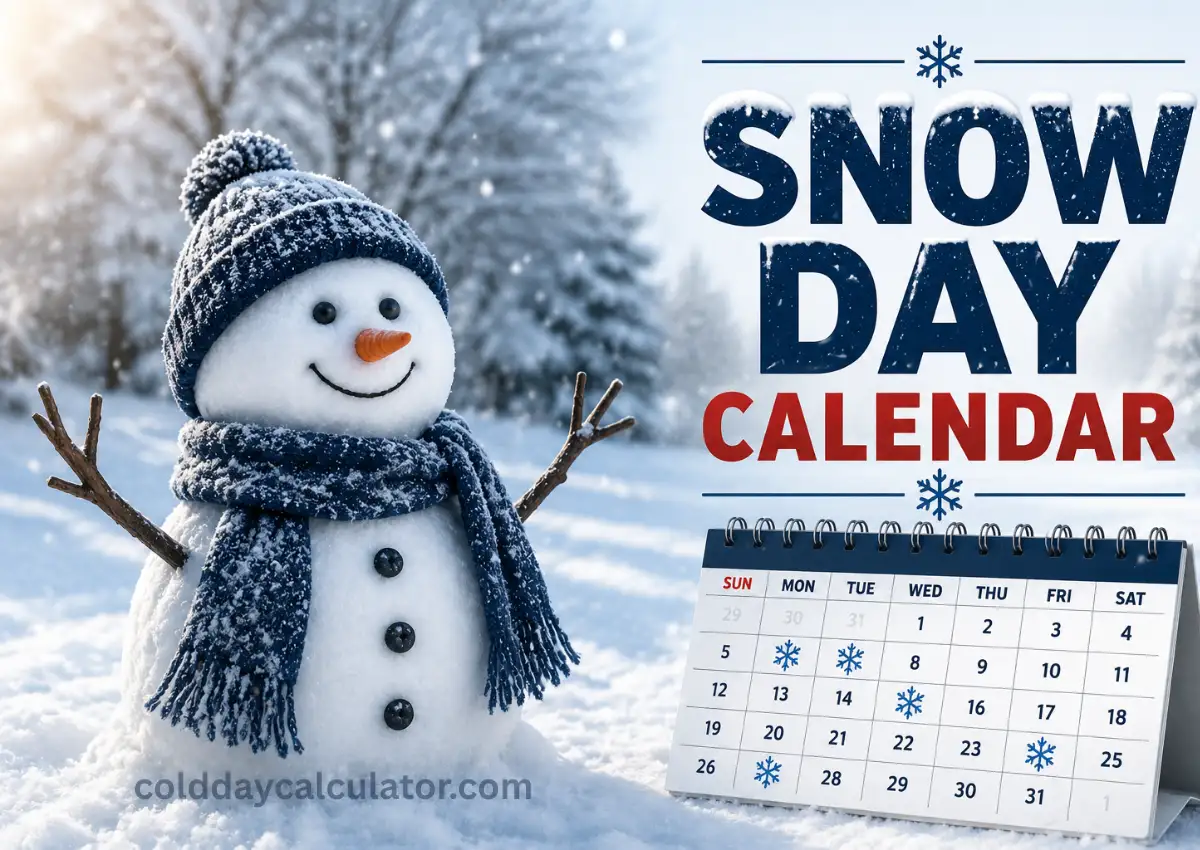
Winter 2026 is expected to bring major snowstorms, school delays, icy roads, and weather-related closures across many parts of the United States. Every year, students, parents, teachers, and college commuters search for snow day calendars to track possible disruptions before dangerous weather arrives.
But modern snow days work very differently compared to the past. Many schools now switch to remote learning, colleges rely on hybrid systems, and districts try to avoid extending the school year unless absolutely necessary.
In this complete Snow Day Calendar 2026 guide, we’ll explain how snow day calendars work, why schools and colleges handle winter closures differently, expected monthly snow risks, and the states most likely to experience major winter disruptions this season.
What Is a Snow Day Calendar?
A snow day calendar is a winter planning schedule schools use to manage weather-related closures during snowy months. These calendars help districts stay compliant with state education requirements while still prioritizing student and staff safety.
Snow day calendars usually include:
- Built-in make-up days
- Emergency closure plans
- Delayed opening schedules
- Remote learning backup systems
- Weather-related attendance policies
Most districts prepare these calendars months before winter begins.
| Closure Type | Meaning |
|---|---|
| Snow Day | Full cancellation of classes |
| Delayed Opening | School starts later than normal |
| Remote Learning Day | Classes continue online |
| Emergency Closure | Campus fully shuts down |
How Snow Day Calendars Actually Work
Most states require public schools to complete a minimum number of instructional days each year. In many areas, that number is around 180 school days or a required hourly total.
Because winter weather is unpredictable, districts often build extra weather make-up days directly into the academic calendar.
When heavy snowstorms force schools to close, districts activate those reserved dates later in the year. This is why some schools extend classes further into June after active winter seasons.
School administrators monitor:
- Historical snowfall patterns
- Road-clearing capabilities
- Bus transportation safety
- Ice accumulation
- Wind chill warnings
- Local emergency advisories
Most closure decisions happen early in the morning after transportation teams inspect roads and weather conditions.
January 2026 Snow Day Calendar
January is traditionally the snowiest month across much of the Northeast, Midwest, and northern mountain regions.
| Date | Day | Snow Risk | Possible Closures | Weather Notes |
|---|---|---|---|---|
| Jan 5 | Monday | Moderate | Schools | Light snowfall possible |
| Jan 8 | Thursday | High | Schools + Colleges | Ice storm risk |
| Jan 12 | Monday | Severe | Regional closures | Major winter storm system |
| Jan 19 | Monday | High | Travel delays | Dangerous wind chills |
| Jan 26 | Monday | Severe | Major shutdowns | Blizzard potential |
January storms usually bring:
- Black ice
- Heavy snowfall
- Whiteout visibility
- Frozen roads
- Dangerous morning commutes
February 2026 Snow Day Calendar
February often produces stronger storms because colder air becomes deeply established across northern states.
| Date | Day | Snow Risk | Closure Chances | Weather Notes |
|---|---|---|---|---|
| Feb 2 | Monday | Moderate | Delays possible | Freezing rain expected |
| Feb 10 | Tuesday | High | School closures | Heavy snowstorm risk |
| Feb 14 | Saturday | Moderate | Travel impacts | Icy road conditions |
| Feb 18 | Wednesday | Severe | College disruptions | Heavy snow bands |
| Feb 22 | Sunday | Severe | Regional shutdowns | Blizzard conditions |
February storms become especially dangerous because roads stay frozen longer and ice accumulation increases significantly.
March 2026 Late Winter Closure Calendar
Even though spring officially begins in March, winter storms can still create major disruptions across northern states and mountain regions.
| Date | Region Most Affected | Snow Probability | Delay Chances |
|---|---|---|---|
| Mar 3 | Northeast | Medium | High |
| Mar 7 | Midwest | High | Moderate |
| Mar 11 | Great Lakes | Severe | High |
| Mar 18 | Mountain States | Severe | High |
| Mar 24 | Northern Plains | Moderate | Moderate |
Late winter storms often bring heavy wet snow, flooding risks, and dangerous slushy roads.
States Most Likely to Get Snow Days in 2026
| State | Average Snowfall | School Closure Frequency |
|---|---|---|
| New York | 70+ inches | Very High |
| Pennsylvania | 40–50 inches | High |
| Michigan | 50+ inches | High |
| Minnesota | 45+ inches | High |
| Colorado | 60+ inches | Moderate |
| Massachusetts | 50+ inches | High |
The Northeast, Great Lakes region, and Upper Midwest continue to experience the highest number of weather-related school closures every winter.
Do Colleges Have a Snow Day Calendar?
Colleges operate very differently compared to K-12 school systems. Most universities do not use fixed snow day calendars with pre-planned make-up dates.
Instead, colleges rely on real-time weather policies focused on:
- Campus accessibility
- Road conditions
- Student safety
- Wind chill levels
- Remote learning capabilities
Because many students live directly on campus, universities try to avoid fully shutting down operations unless weather becomes extremely dangerous.
Most colleges now use:
- Hybrid learning
- Zoom lectures
- Asynchronous assignments
- Remote instruction
instead of traditional snow days.
Universities That Frequently Experience Snow Closures
| University | Average Snowfall | Closure Type |
|---|---|---|
| Penn State | 45 inches | Remote + Delays |
| Syracuse University | 100+ inches | Full closures possible |
| University of Michigan | 50 inches | Hybrid learning |
| University of Colorado | 60+ inches | Frequent delays |
Snow in College Park, Maryland
College Park, Maryland, home to the University of Maryland, experiences lighter snowfall compared to northern states.
The area averages around 13 to 17 inches of snow annually, with January usually being the snowiest month.
Because snowfall is relatively moderate, major academic calendar disruptions remain uncommon. However, winter storms can still trigger delays, remote learning days, and occasional full closures.
The University of Maryland uses its Snowline system, emergency text alerts, and official website updates to notify students and staff about weather-related changes.
During January 2026, the university issued a full closure due to forecasted snow and dangerous travel conditions.
How Much Snow Does State College Typically See?
State College, Pennsylvania, home to Penn State University Park, receives significantly more snowfall than College Park.
Long-term climate data shows an average snowfall of roughly 40 to 45 inches each winter season.
Major storms can quickly shut down campus operations. During a January 2026 winter storm, over 13 inches of snow fell in State College, forcing Penn State to cancel classes and non-essential activities.
Penn State relies on the PSUAlert emergency system and rapid-response campus crews to manage severe winter weather.
Snow Day vs Remote Learning Day
| Traditional Snow Day | Virtual Snow Day |
|---|---|
| No school | Online instruction |
| Full closure | Remote learning |
| Make-up days required | No make-up needed |
| No assignments | Digital coursework |
Modern education systems increasingly rely on virtual learning to reduce disruptions caused by winter weather.
Why Some Schools Rarely Cancel for Snow
Not all snowy regions experience frequent school closures.
Northern states often remain open during moderate snowfall because they have stronger winter infrastructure, including:
- Snowplows
- Road salting systems
- Winter-ready bus fleets
- Advanced storm preparation
- Experienced road crews
Meanwhile, southern states sometimes close schools after small snow events because local infrastructure is less prepared for icy roads and winter storms.
How Schools Decide to Declare Snow Days
School districts monitor several weather-related factors before making closure decisions.
- Snow accumulation
- Road safety
- Ice conditions
- Wind chill
- Visibility
- Transportation safety
- Power outages
Transportation departments often inspect roads before sunrise to determine whether buses can safely operate.
Snow Day Prediction Tools Students Use
| Tool | Best For | Accuracy |
|---|---|---|
| Snow Day Calculator | School predictions | Moderate |
| NOAA Weather | Official forecasts | High |
| Weather Channel | Storm tracking | High |
| AccuWeather | Snow timing | High |
While prediction tools can help estimate closure chances, official school announcements remain the most reliable source.
How to Track Snow Day Updates in Real Time
Students and parents should always monitor official communication channels during winter storms.
Helpful tools include:
- School websites
- District apps
- Email alerts
- Emergency text systems
- Local weather apps
- University emergency pages
Many schools now send instant notifications whenever closures or delays are announced.
Recent Trends and What the 2025–2026 Winter Season Taught Us
The 2025–2026 winter season showed how modern schools and colleges now handle snow closures differently than before.
Many districts used built-in calendar flexibility and remote learning systems instead of extending the school year significantly.
Universities also relied heavily on hybrid learning to reduce disruptions while still prioritizing student safety.
These trends show that traditional snow days are slowly evolving into technology-supported learning days.
Winter Storm Safety Tips for Students and Families
- Monitor alerts before storms arrive
- Keep emergency supplies ready
- Charge phones and devices early
- Avoid unnecessary travel during blizzards
- Wear boots with proper traction
- Prepare backup internet options for remote learning
Winter weather can become dangerous very quickly, especially during freezing rain and ice storms.
Frequently Asked Questions
Will there be more snow days in 2026?
Northern states may experience increased winter disruptions if major January and February storm systems develop.
Do colleges still cancel classes for snow?
Yes, but many universities now switch to remote instruction instead of fully canceling classes.
Which states get the most snow closures?
New York, Pennsylvania, Michigan, Minnesota, and Massachusetts usually experience the highest number of snow-related school delays and closures.
What causes schools to close during winter?
Heavy snowfall, icy roads, dangerous wind chills, and transportation safety concerns are the biggest reasons schools close.
Are snow day calculators accurate?
They can provide useful estimates, but official district announcements should always be considered the final decision.
Final Thoughts
Snow days in 2026 will likely look very different compared to traditional winter closures from the past. Schools and colleges now rely heavily on remote learning technology, flexible calendars, and hybrid systems to reduce disruptions while keeping students safe.
Still, major snowstorms, ice events, and dangerous cold weather can absolutely force delays, cancellations, and emergency closures across many parts of the country.
Whether you’re a student, parent, teacher, or commuter, staying informed before winter storms arrive is the best way to stay prepared during the 2026 snow season.
Resources
Here are reliable sources with the latest policies, snowfall data, and winter closure updates:
- University of Maryland Official Inclement Weather Policy
- Penn State Winter Weather Protocols 2025-26
- Maryland Public Schools 2025-2026 Opening and Closing Dates
- Average Weather Data for College Park, MD
- Average Weather Data for State College, PA
- Penn State Student Affairs Weather Impacts Page
Related Posts
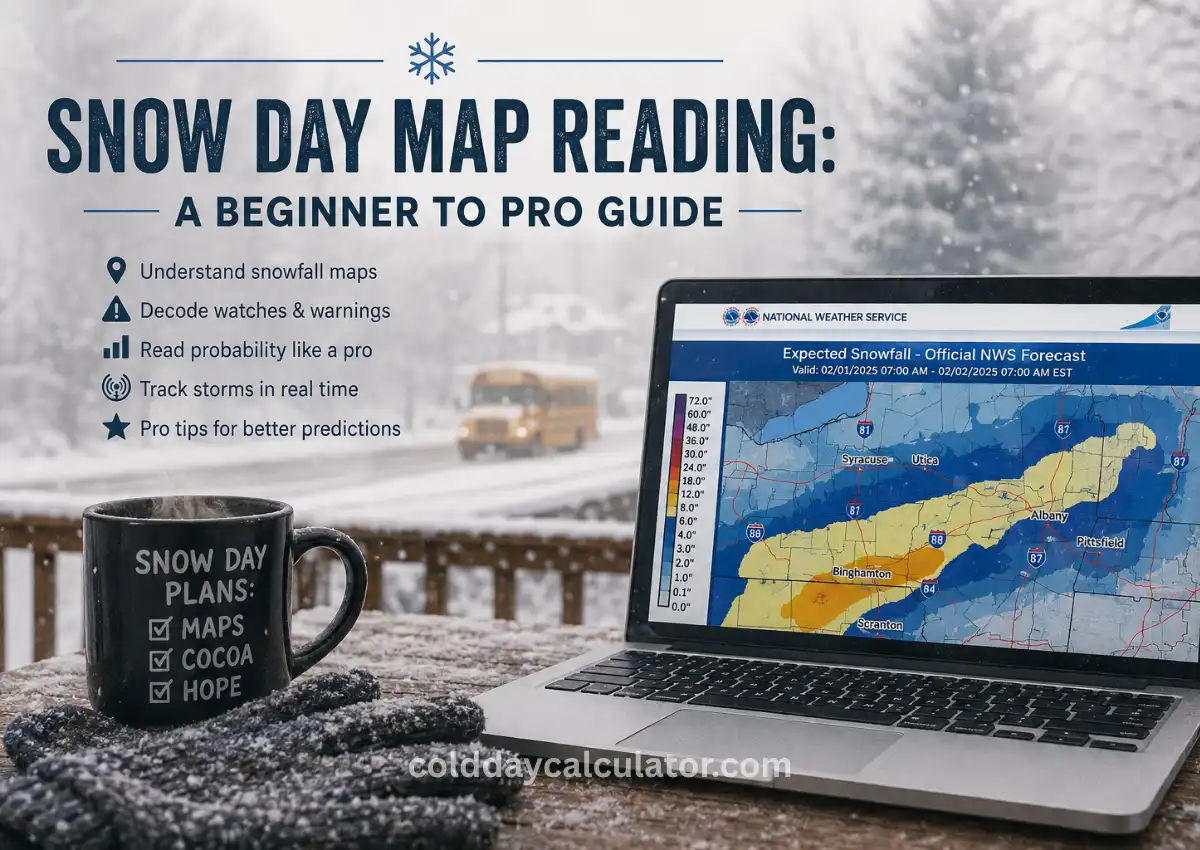
Snow Day Map Reading: A Beginner to Pro Guide
Most parents check one map, see a big blob of blue or pink over their town, and assume school's canc...

Best Snow Day Books for Kids: Cozy Winter Reads for Every Age
Best Snow Day Books for Kids can turn a long day stuck indoors into something kids actually look for...
Greylock Snow Day Guide: How School Closures and Delays Are Predicted
A Greylock snow day is something many students, parents, and teachers across Berkshire County ...